
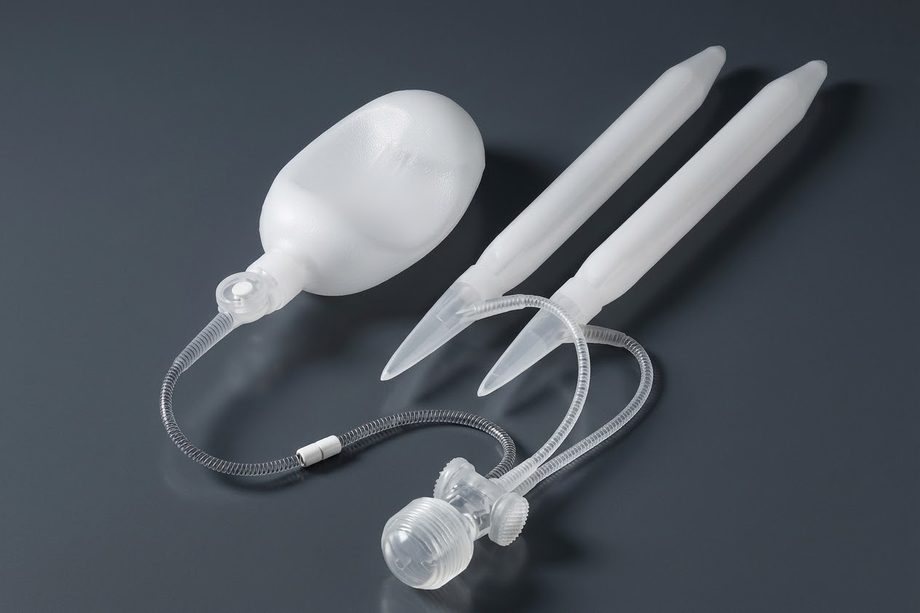
A penile implant, also called a penile prosthesis, is a device placed entirely inside the penis through surgery to restore the rigidity needed for intercourse when other treatments for erectile dysfunction have not worked. There are two types: the inflatable implant, made up of cylinders, a small reservoir and a pump that the patient operates himself, and the malleable implant, made up of two flexible rods that keep the penis firm at all times and are positioned by hand.
Neither one is visible from the outside, and the difference shows up in daily life: the inflatable implant switches between erection and flaccidity in a way that is closer to natural, and the malleable implant keeps the penis firm at all times, with no mechanism to operate. This article explains how each one works, what usually weighs in the choice between them, what the risks are and, just as clearly, what an implant does not fix.
What a penile implant is and when it comes into treatment
Erectile dysfunction, which many people still call impotence, is the ongoing difficulty getting or keeping an erection firm enough for intercourse. It is common and becomes more frequent with age. In the Massachusetts Male Aging Study, a landmark survey carried out in the United States and published in 1994, 52% of men aged 40 to 70 reported some degree of the problem. Diabetes, high blood pressure and smoking raise both the odds of it appearing and its severity.
Most men respond well to pills. When pills are not enough, injections given directly into the penis have success rates above 85%, even in men who did not respond to pills, according to a review we published in 2026 in the International Braz J Urol. Even so, some men stop using them over time, and a vacuum device is another option. A penile implant is recommended for men who did not respond to these treatments, could not tolerate them or were not satisfied with them. The most common cases are men who have had diabetes for many years, men who had surgery for prostate cancer, men with Peyronie's disease together with erectile dysfunction, and men with advanced vascular disease.
Because the surgery cannot be undone, an implant is the last step of treatment. Even so, the subject does not have to wait until the end of the road. I usually bring up the implant at the very first consultation, even when it is not the next step, because many patients arrive believing that if the pill failed, there is nothing left to try. Knowing there is a way forward for that moment changes how they approach the whole treatment.
How does an inflatable penile implant work?
An inflatable penile implant, also called a three-piece implant, has three parts connected by thin tubes. Two cylinders sit inside the corpora cavernosa, the two inner chambers of the penis that fill with blood during a natural erection. A reservoir of saline sits in the lower abdomen, and a small pump sits in the scrotum. Every part stays inside the body.
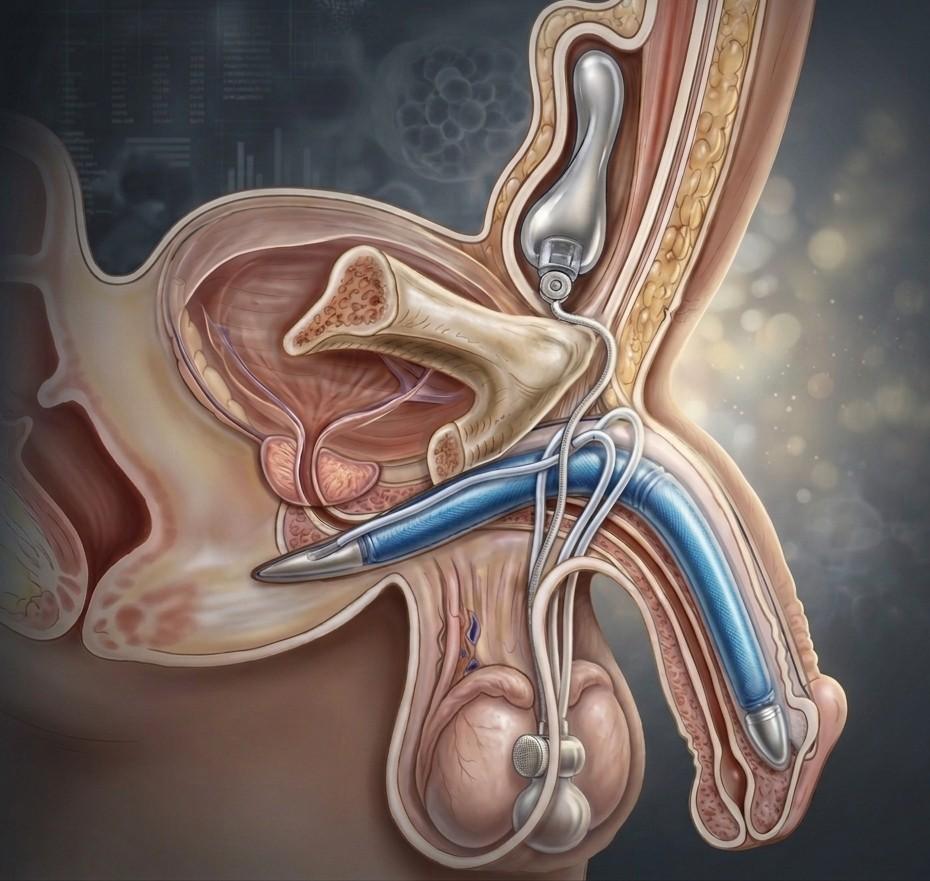
- Cylinders: placed inside the corpora cavernosa of the penis.
- Saline reservoir: sits in the lower abdomen.
- Pump: sits in the scrotum.
To get an erection, the man squeezes the pump a few times through the skin of the scrotum. With each squeeze, saline moves from the reservoir into the cylinders, and the penis becomes rigid. After intercourse, a release button on the pump sends the fluid back to the reservoir, and the penis returns to a flaccid state.
This is the type in which erection and flaccidity feel most natural and are most discreet, because the penis is not firm at rest. Using the pump is taught at the follow-up visit, and after a few weeks of practice it becomes part of the routine.
How does a malleable penile implant work?
A malleable penile implant, also called a semi-rigid implant, is made up of two flexible rods placed inside the corpora cavernosa, with no pump and no reservoir. The penis stays firm at all times, and the patient positions it himself, up for intercourse and down during the day, inside his clothes.
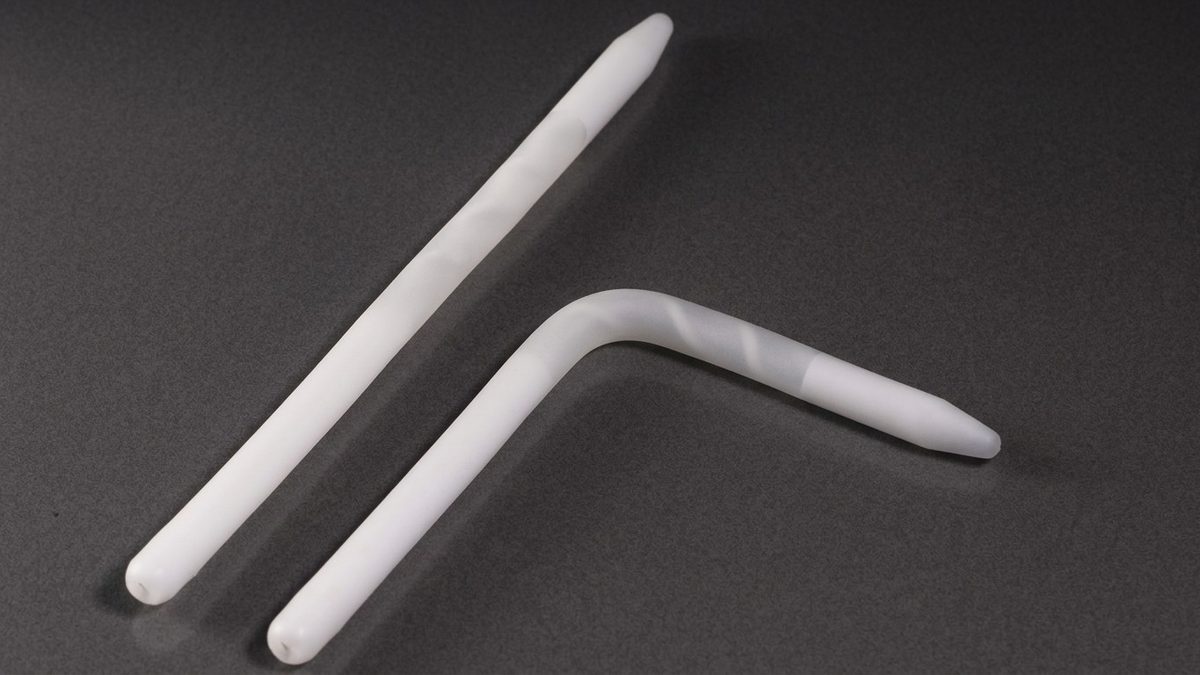
In Brazil, it is the most widely used type, mainly because of cost and availability. Adjusting to it means getting used to a penis that is always firm, which can be noticeable in some situations, such as in tight clothing or swimwear. Because the rods are bent many times over the years, their inner structure can fracture, and in some patients the constant pressure on the tissue raises the risk of erosion, a rare complication in which the device wears through the surrounding tissue until it reaches the skin or the urethra.
Inflatable or malleable: what weighs in the choice
The decision to place an implant is a medical one and comes from the evaluation, which confirms whether previous treatments were tried properly and whether overall health allows surgery. Choosing the type is done together, taking into account each patient's profile, the manual dexterity needed to use the pump, any previous surgery in the area, the couple's expectations and cost. The table sums up the practical differences between the two.
| Inflatable implant | Malleable implant | |
|---|---|---|
| Components | Two cylinders, a reservoir in the abdomen and a pump in the scrotum | Two flexible rods |
| How you get an erection | Squeezing the pump; a button returns the penis to a flaccid state | Positioning the penis by hand |
| At rest | Flaccid, looking close to natural | Always firm |
| Wear over the years | A part may stop working and be replaced in a new surgery | The rods may fracture and be replaced in a new surgery |
| Adjustment | A few weeks of practice with the pump | Getting used to a penis that is always firm |
| Cost | Higher | Lower |
A penile implant has a functional purpose, unlike a breast implant placed for cosmetic reasons: it restores the ability to have intercourse. That is why, when cost comes into the conversation, it is usually looked at over time. The cost of surgery is concentrated in a single moment, while ongoing treatment with pills or injections repeats every month, for many years. The recommendation is still a medical one, and an implant comes in when those treatments have not given the expected result.
With either type, having the partner take part in the conversation helps set expectations for the surgery and for life afterward.
What does a penile implant not fix?
An implant restores rigidity, and knowing exactly what it leaves out is the part of the conversation that best protects the patient from disappointment. That is why this topic comes up before the decision.
It does not make the penis bigger. Many men notice that the penis looks smaller than in the natural erections of years past, because the disease itself has already caused some loss of length and because the glans, the head of the penis, does not fill the same way with an implant.
It does not treat desire either. Low libido, low testosterone and relationship difficulties still need their own care, before or after surgery. Sensation, ejaculation and orgasm, on the other hand, stay as they were, because they do not depend on the corpora cavernosa.
The surgery is irreversible. If the implant has to be removed, natural erections and the response to pills or injections are essentially gone, because the tissue inside the corpora cavernosa has been taken up by the device. That is why it is kept for the end of the road.
Finally, an implant takes some adjustment. With the inflatable type, using the pump takes a few weeks of practice. With the malleable type, you have to get used to a penis that is always firm in daily life.
When these limits are clear from the start, satisfaction is usually high. In a study published in 2019 in the journal Current Urology, which surveyed patients a year or more after inflatable implant surgery, 83.2% of men and 85.4% of partners said they were satisfied.
What are the risks of a penile implant?
The main complication is infection, because when it happens it usually means the implant has to be removed. In first-time surgeries with current devices, the infection rate is around 1% to 3%, according to a review published in 2019 in Therapeutic Advances in Urology, and it is higher in repeat surgeries, in people with weakened immunity and in diabetics with poorly controlled blood sugar.
Antibiotic coating is one of the factors that has done the most to lower this risk. In a systematic review and meta-analysis we published in 2026 in the International Journal of Impotence Research, covering more than 100,000 patients, antibiotic-coated inflatable implants had about 60% fewer infections than uncoated ones, with no difference between the two leading brands on the market. The study is listed on the publications page, with a link to the original.
The second risk is wear of the device over the years. In the inflatable type, one of the parts may stop working; in the malleable type, the inner structure of the rods may fracture. In both cases, the implant can be replaced in a new surgery. Hematoma, poor positioning of a component and, rarely, erosion round out the possible complications.
What are the surgery and recovery like?
The surgery usually takes one to two hours, and patients go home the same day or after one night in the hospital. Pain and swelling in the first few days are expected and controlled with pain medication. Light activities resume in about a week, and physical exertion in a few weeks.
Intercourse is usually cleared four to six weeks after surgery, if healing is going well. For the inflatable implant, this follow-up visit is also when the patient learns to use the pump, before using it at home.
Frequently asked questions
How long does a penile implant last?
An inflatable implant usually lasts many years. A systematic review and meta-analysis published in 2022 in the journal Urology, covering 12 studies and more than 20,000 patients, found 87.2% of implants still working at 5 years, 76.8% at 10 years and 63.7% at 15 years, with just over half still working at 20 years. In a malleable implant, the inner structure of the rods can fracture over the years. When an implant fails, it can be replaced in a new surgery.
Can a penile implant be removed later?
The implant can be removed, but the surgery cannot be undone. Without it, natural erections and the response to pills or injections are essentially gone, because the tissue inside the penis has been taken up by the device. That is why an implant is only recommended after the other treatments.
Can men with diabetes get a penile implant?
Yes. Men who have had diabetes for many years are among the most common candidates. The key is blood sugar control before surgery, because poorly controlled diabetes raises the risk of infection, and that assessment is part of the consultation before the recommendation is made.
How do you learn to use the pump of an inflatable implant?
Training starts at the follow-up visit, four to six weeks after surgery, when the patient learns to find the pump, squeeze it and use the release button. It takes a few weeks of practice before it feels natural, and having the partner involved during this period usually helps.
Where to start
The conversation about an implant starts with the history of treatment: what has been tried, for how long and with what result, along with the health conditions that change the risk of surgery, such as diabetes control. If the patient wishes, the partner takes part in this conversation. It is from this evaluation that we decide whether an implant is indicated and, if it is, which type best fits your case.
References: Infection rates in primary inflatable penile prosthesis: a systematic review and meta-analysis of antibiotic-coated versus non-coated devices. International Journal of Impotence Research, 2026. DOI 10.1038/s41443-026-01314-8. Impotence and its medical and psychosocial correlates: results of the Massachusetts Male Aging Study. Journal of Urology, 1994. DOI 10.1016/s0022-5347(17)34871-1. An update on the best approaches to prevent complications in penile prosthesis recipients. Therapeutic Advances in Urology, 2019. DOI 10.1177/1756287218818076. Beyond oral therapies: a practical approach to overcoming barriers to intracavernosal injection therapy in clinical practice. International Braz J Urol, 2026. DOI 10.1590/S1677-5538.IBJU.2026.0409. Erectile dysfunction: a global review of intracavernosal injectables. World Journal of Urology, 2019. Clinical outcome: patient and partner satisfaction after penile implant surgery. Current Urology, 2019. Long-term survival rates of inflatable penile prostheses: systematic review and meta-analysis. Urology, 2022.

Urologist. CRM-RS 47.856 · RQE 45.634 | CRM-SP 270.351 · RQE 136.152
This content is for information only and does not replace a medical consultation.
Book an appointment